Service
Plumbing
Hot and cold water systems, waste and soil, sanitaryware installation, and leak diagnosis and repair.
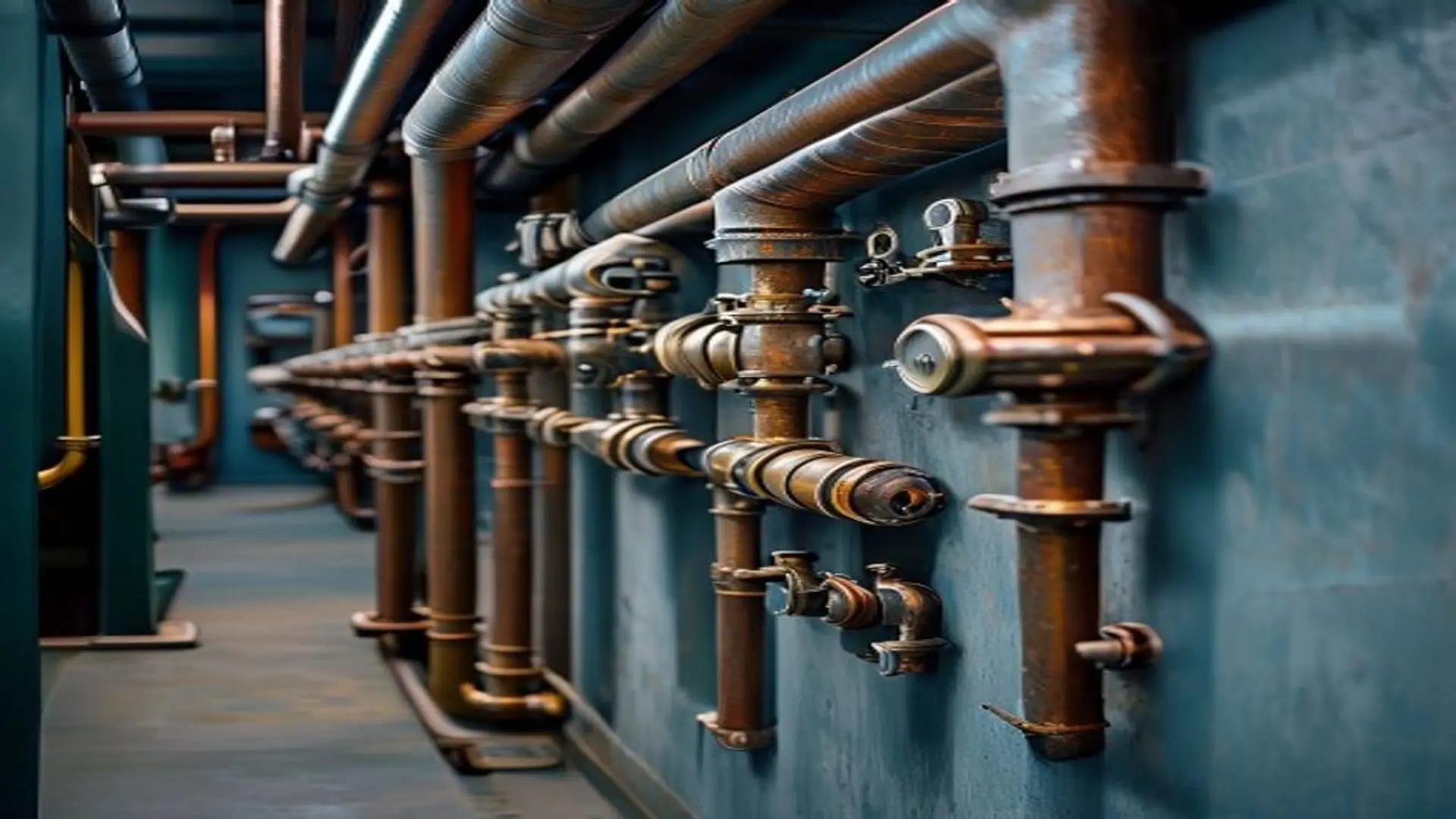
Plumbing work being carried out on siteWater is what makes plumbing faults expensive. The pipe is rarely the cost. The ceiling below it is, and the flooring, and the decoration. So we care more about how a joint is made and whether it was tested than about how quickly the job closes out.
Systems, not fittings
A plumbing installation is a system under pressure. Flow rate, pipe sizing, gradient on waste runs and adequate support all determine whether it performs. Undersized pipework starves outlets when several are used at once; inadequate gradient on a waste run causes recurring blockages that no amount of rodding will permanently fix.
Leak diagnosis
Finding a leak is a diagnostic exercise, not a demolition one. Water travels along joists and behind finishes before it appears, so the visible damp is rarely above the fault. We isolate and pressure-test sections to narrow the location before opening anything up — which usually means one small access opening rather than a series of exploratory holes.
Pressure testing before concealment
Every concealed run we install is pressure tested and held before it is boxed in, screeded over or plastered. It is a short step that prevents the worst category of plumbing failure: a joint that fails behind a finished surface.
- Scope
- Hot & cold supply · Waste & soil · Sanitaryware
- Testing
- Pressure test and hold before concealment
- Leak tracing
- Sectional isolation and pressure diagnosis
- Waste gradient
- Falls set to prevent standing waste
- Support
- Clipped at correct centres throughout
- Coordination
- Set out against final tiling and sanitaryware
- Remedials
- Blockages · Leaks · Low pressure · Noise
What you get
Why this is done properly.
Correctly sized pipework
Systems sized for simultaneous demand so outlets do not starve when several are in use.
Pressure tested before concealment
Concealed runs are tested and held before being boxed in, screeded or plastered over.
Diagnostic leak tracing
Isolation and pressure testing to locate a fault before opening up, rather than exploratory demolition.
Proper gradient on waste runs
Falls set correctly so waste clears, which prevents the recurring blockages that rodding never permanently fixes.
Coordinated with tiling and finishes
First fix set out against the final tiling and sanitaryware layout so nothing lands in the wrong place.
How it runs
From survey to handover.
- 01
Survey & diagnosis
We establish the existing system, demand and any faults before proposing a scope.
- 02
Design & proposal
Pipe sizing, routing and a fixed written price against the surveyed scope.
- 03
First fix & test
Supply and waste runs installed, then pressure tested and held before concealment.
- 04
Second fix & commission
Sanitaryware and outlets fitted, system commissioned and checked under load.
Gallery
Representative imagery.
Representative imagery for this discipline — not photographs of specific ICE-Premium jobs.
Questions
About plumbing
Related
Often delivered alongside.
Tiling & Flooring
Floor and wall tiling, vinyl, laminate and engineered timber — where the substrate determines the result.
Facility Maintenance
Planned preventative and reactive maintenance — moving a property from emergency callouts to a forecastable schedule.
Renovation & Remodeling
Structural and cosmetic renovation of existing buildings — from single-room refreshes to full floor strip-outs and rebuilds.
Start here
Tell us what you are building. We will survey it properly.
The initial consultation and site survey cost you nothing and carry no obligation. You will get a written scope and a fixed price against it — not an estimate that moves later.