Service
Painting & Finishing
Surface preparation, decorative painting and specialist finishes — where the preparation is most of the work.
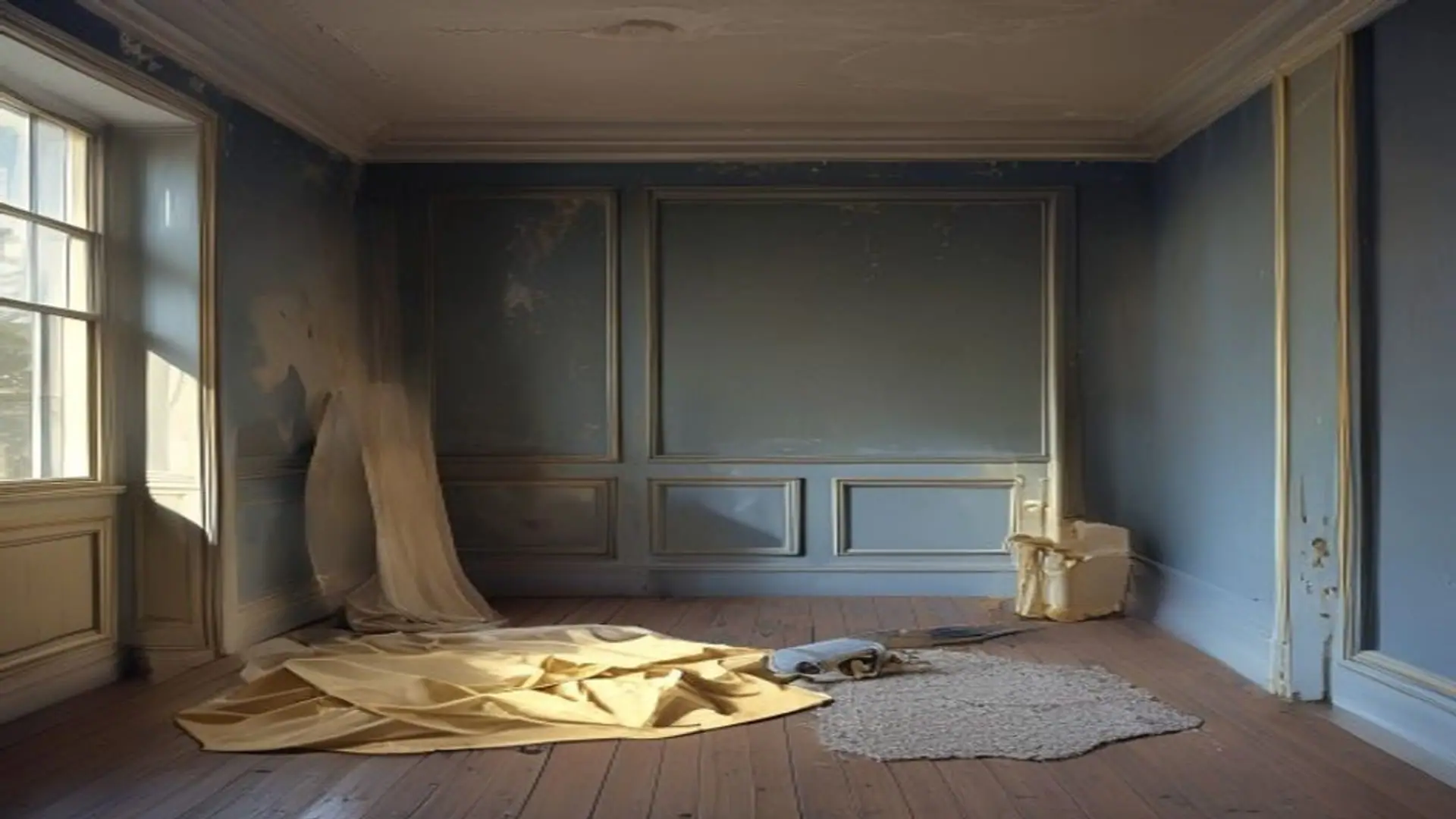
Painting & Finishing work being carried out on siteThe visible part of a paint job is the last tenth of the work. Filling, sanding, sealing, priming: all of it happens before a topcoat is opened, and all of it decides whether the finish lasts. When paint fails early it is almost never the paint. It is what went on underneath.
Preparation is the job
We fill, sand, and seal before priming, and we prime before finishing. On previously painted surfaces this includes identifying what is already on the wall, because applying an incompatible system over an existing one causes flaking that no amount of topcoat will fix.
On new plaster we allow proper drying time and use a mist coat. Painting plaster before it has dried traps moisture and the finish fails within months.
Protection and containment
Occupied buildings need the surrounding space protected properly — floors covered, fittings masked, adjacent areas sealed. Overspray and splatter are far more expensive to remedy than to prevent, and on a commercial property they can put a room out of use for longer than the painting itself.
Specialist finishes
Beyond standard emulsion and eggshell we handle textured and decorative finishes, feature walls, and protective coatings for high-traffic or high-moisture areas. The specification is driven by the environment — a corridor in a commercial building and a guest bedroom need genuinely different products.
- Surfaces
- Plaster · Masonry · Timber · Metal · Board
- Preparation
- Fill · Sand · Seal · Prime
- New plaster
- Dried and mist-coated before finishing
- Finishes
- Emulsion · Eggshell · Satin · Gloss · Textured
- Protection
- Floors, fittings and adjacent areas masked
- High-traffic areas
- Durable and washable systems specified
What you get
Why this is done properly.
Preparation-led approach
Filling, sanding, sealing and priming carried out properly, because that is what determines whether a finish lasts.
System compatibility checked
Existing coatings identified before overpainting, which prevents the flaking caused by incompatible systems.
Environment-appropriate specification
Products selected for traffic, moisture and wear rather than a single finish used everywhere.
Correct drying intervals
New plaster given time to dry and mist-coated, so moisture is not sealed in behind the finish.
How it runs
From survey to handover.
- 01
Survey
We assess the substrate and identify existing coatings before specifying anything.
- 02
Preparation
Filling, sanding, sealing and priming — the stage that determines the result.
- 03
Application
Finish coats applied to full opacity with hand cutting-in where edges show.
Gallery
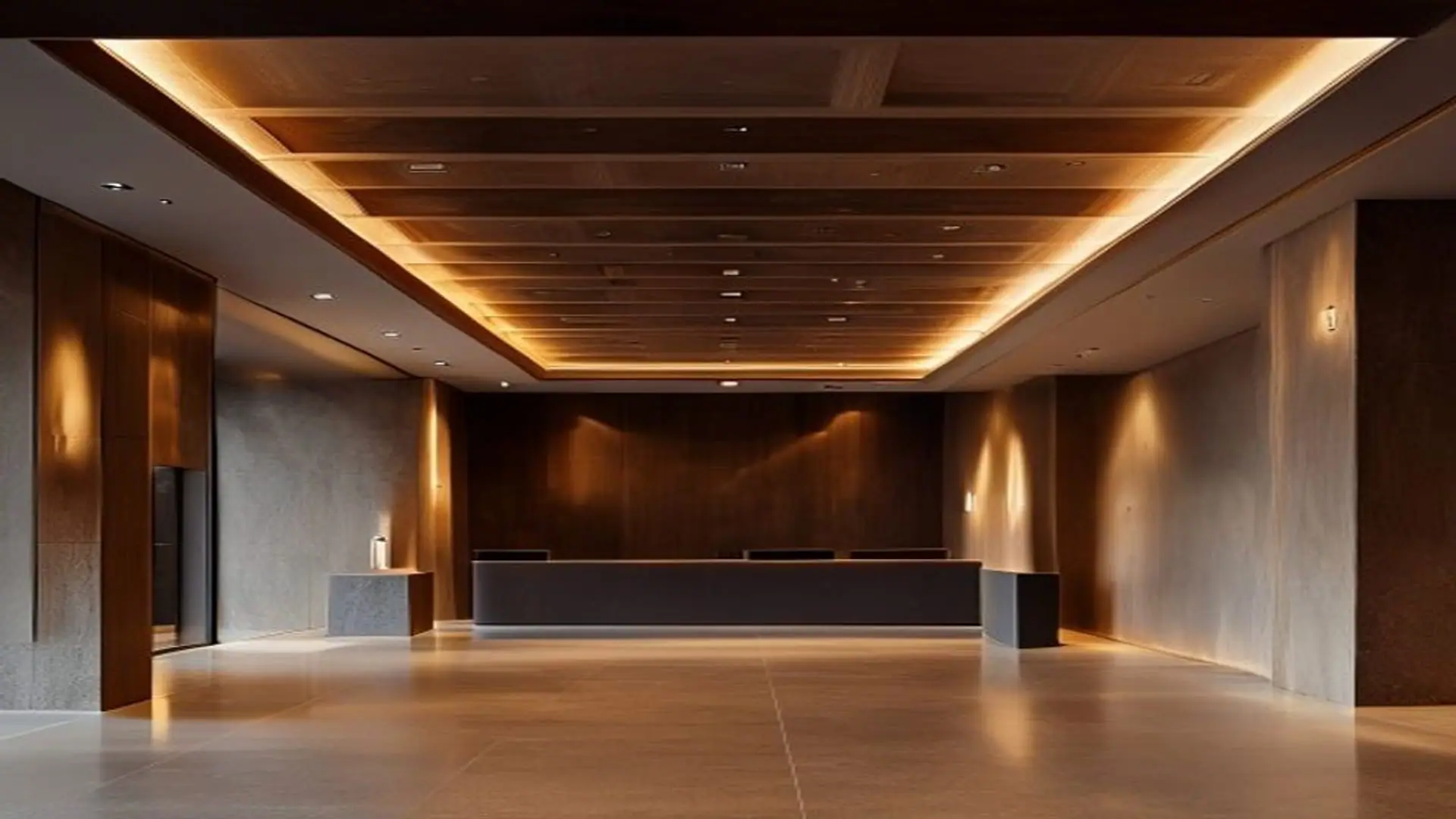
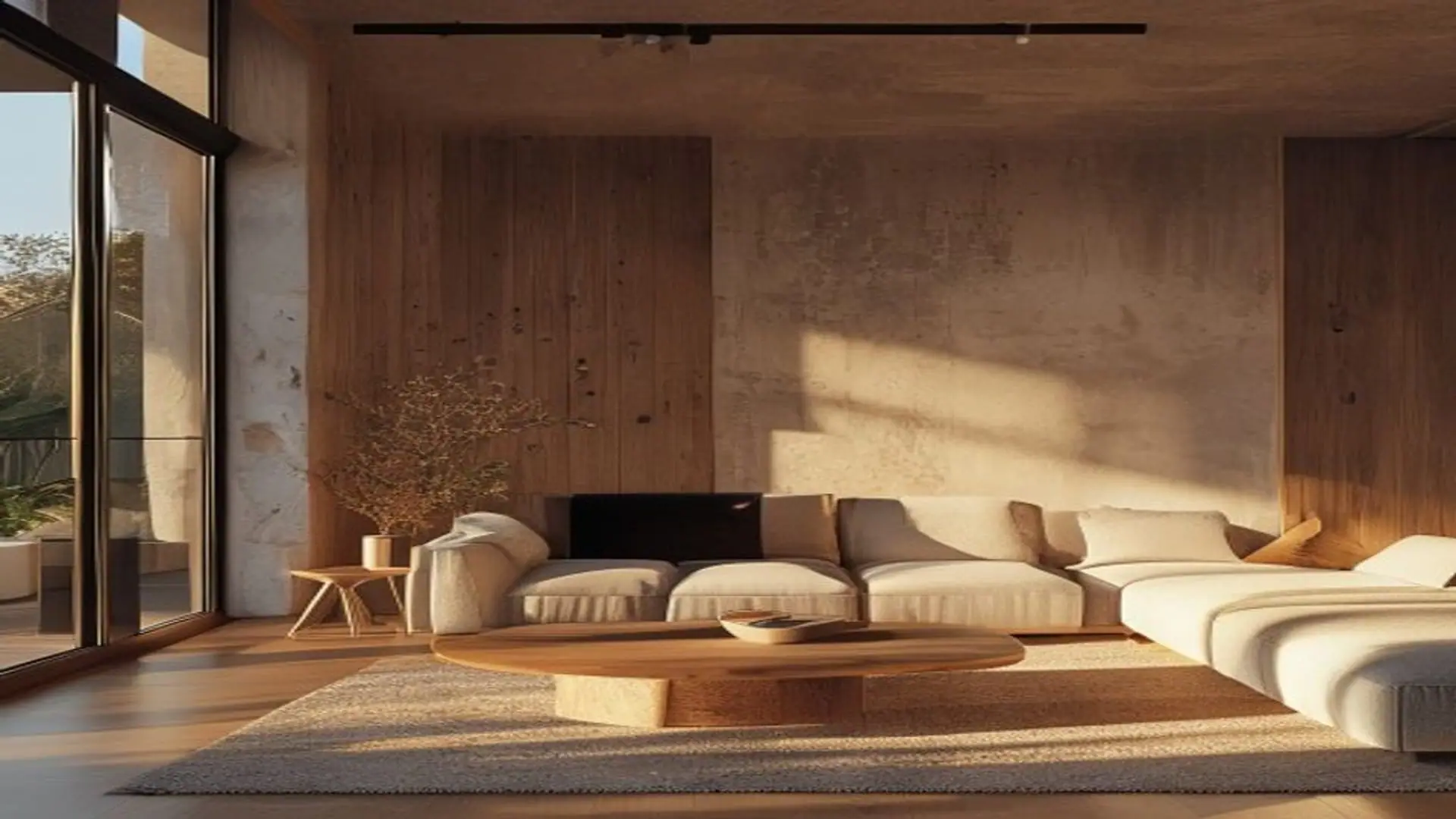
Representative imagery.
Representative imagery for this discipline — not photographs of specific ICE-Premium jobs.
Questions
About painting & finishing
Related
Often delivered alongside.
Ceiling Design
Coffers, bulkheads, floating rafts and integrated lighting — the ceiling treated as a designed surface rather than a lid.
Interior Design
Spatial planning, material selection and lighting design — with the team that will actually build it.
Renovation & Remodeling
Structural and cosmetic renovation of existing buildings — from single-room refreshes to full floor strip-outs and rebuilds.
Start here
Tell us what you are building. We will survey it properly.
The initial consultation and site survey cost you nothing and carry no obligation. You will get a written scope and a fixed price against it — not an estimate that moves later.