
Service
Facility Maintenance
Planned preventative and reactive maintenance — moving a property from emergency callouts to a forecastable schedule.
Facility Maintenance work being carried out on siteMost maintenance money is spent reactively. That is the most expensive way to spend it. Handled as emergencies, the same faults cost more over a year than they would on a schedule — and the schedule has to start somewhere. It starts with knowing what is actually in the building.
The asset register comes first
Many properties we take on have no asset register and no maintenance history. Nobody knows how old the distribution board is, when the pumps were last serviced, or what the roof covering is. Without that, every failure is a surprise and every repair is priced as an emergency.
We start with a condition survey and build the register from scratch — what is installed, where, its condition, and its likely remaining life.
Planned versus reactive
Once the register exists, the highest-risk and highest-consequence assets go onto a planned schedule. Planned interventions catch faults while they are still small — a failing seal rather than a flooded floor, a worn contactor rather than a dead distribution board.
Reactive capability does not disappear; it simply stops being the whole strategy. Things still fail unexpectedly, and we respond when they do.
Budget forecasting
The practical benefit clients notice most is that maintenance becomes forecastable. With a register and a schedule, we can tell you what next year's maintenance is likely to cost and which assets are approaching replacement — which turns maintenance from an unpredictable drain into a planned line item.
- Contract types
- Planned · Reactive · Combined
- Starting point
- Condition survey and asset register
- Inspections
- Quarterly electrical and plumbing as standard
- Coverage
- All 12 in-house disciplines
- Reporting
- Intervention log and condition updates
- Budgeting
- Annual forecast with replacement planning
- Property types
- Commercial · Residential · Mixed-use
What you get
Why this is done properly.
Asset register built from survey
A documented record of what is installed, where, and in what condition — often for the first time.
Planned preventative schedule
High-risk assets serviced on a schedule, which catches faults while they are still cheap.
Reactive response retained
Unexpected failures still covered — planned maintenance reduces them rather than eliminating them.
Forecastable budgets
An annual maintenance forecast, so spending becomes a planned line rather than a series of emergencies.
Maintenance history recorded
Every intervention logged, so future diagnosis starts from evidence rather than guesswork.
How it runs
From survey to handover.
- 01
Condition survey
We inspect and document every relevant asset and its current condition.
- 02
Asset register
A complete register is built, with condition ratings and expected remaining life.
- 03
Schedule & contract
High-risk assets placed on a planned schedule, with reactive response agreed alongside.
- 04
Deliver & report
Planned works carried out and logged, with condition updates and annual budget forecasting.
- 05
Review
We look back at what actually broke over the period and adjust the schedule. A plan that never changes is a plan nobody is reading.
Gallery
Representative imagery.
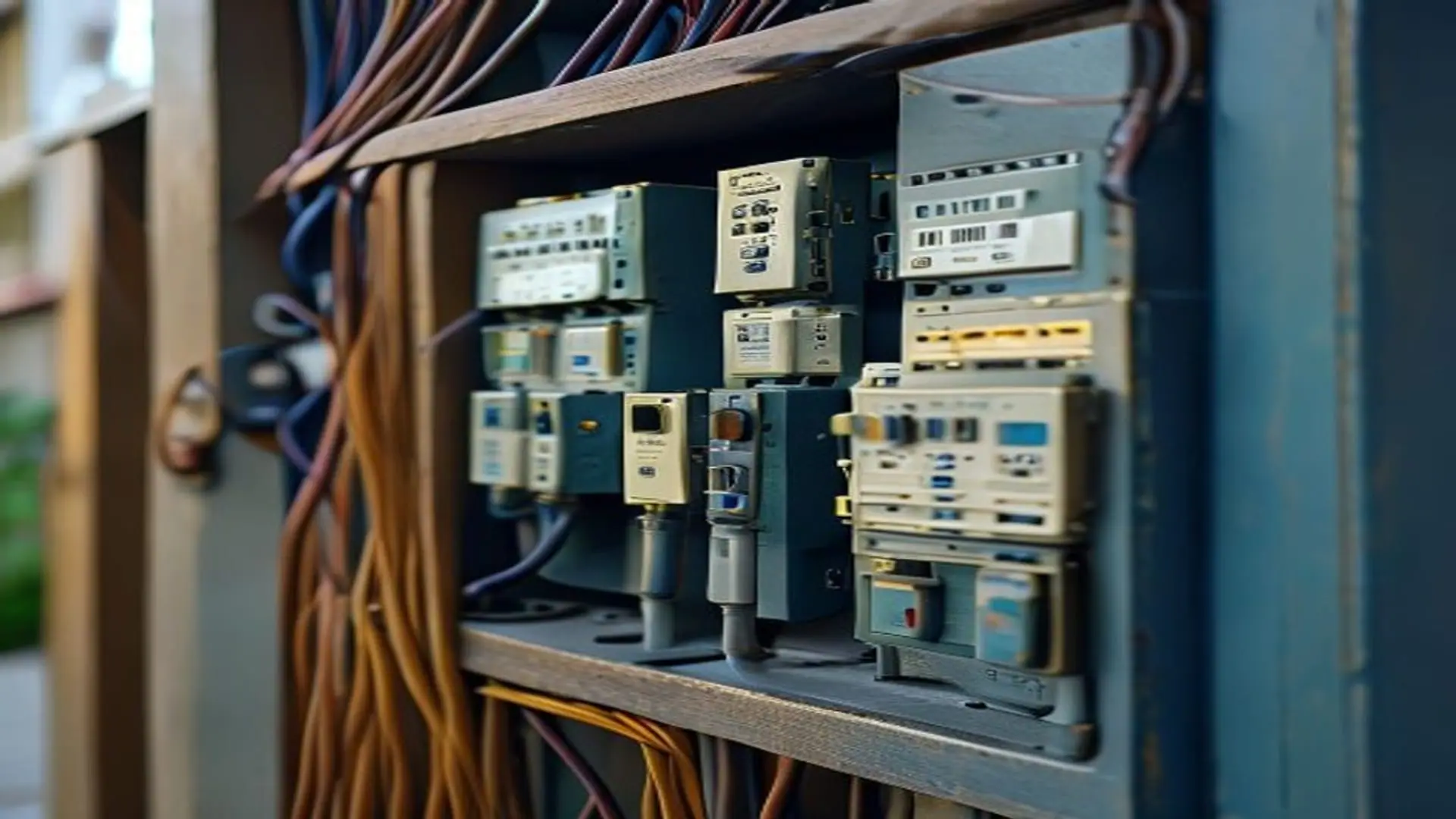
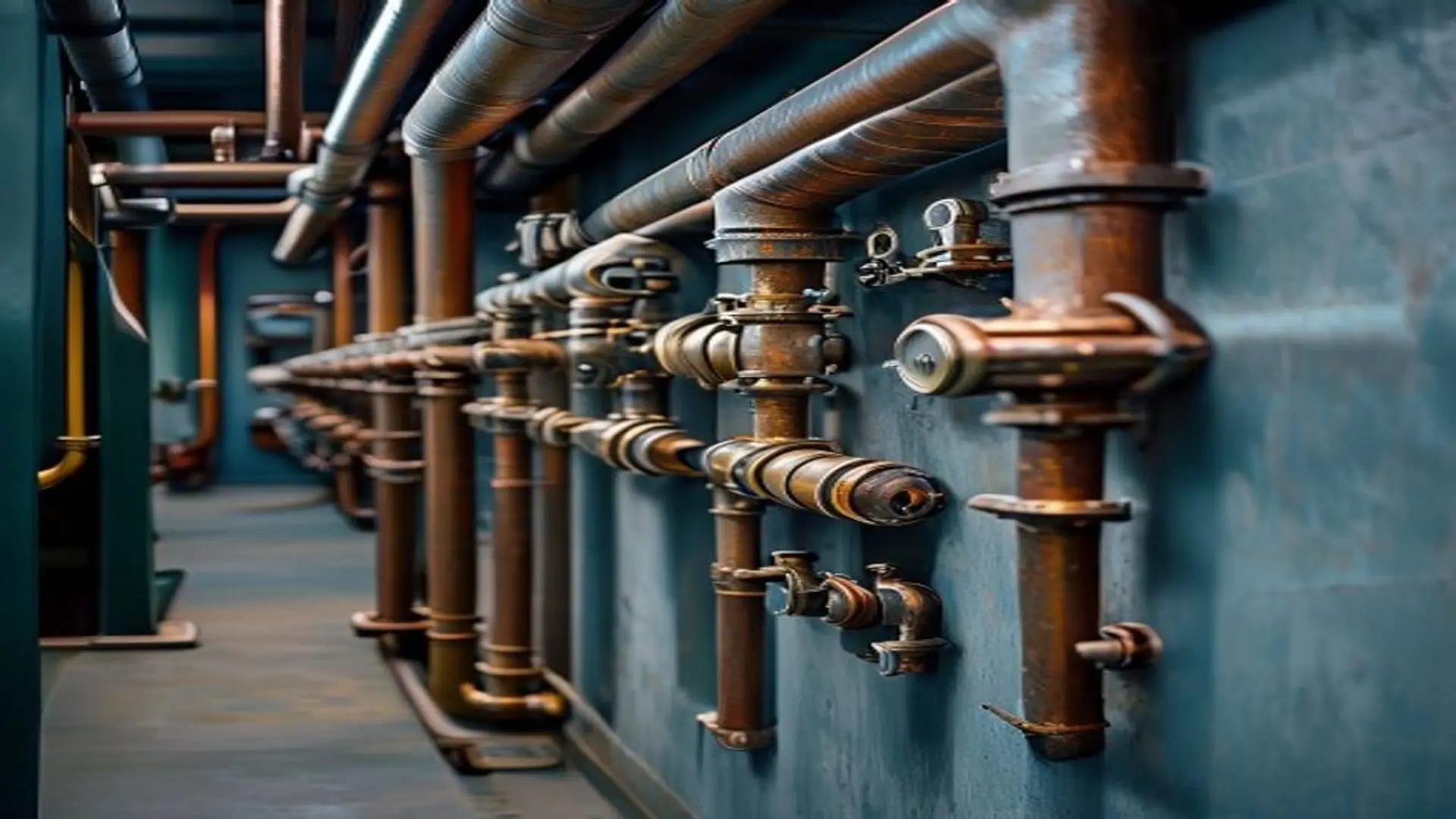
Representative imagery for this discipline — not photographs of specific ICE-Premium jobs.
Questions
About facility maintenance
Related
Often delivered alongside.
Electrical Installations
New installations, rewires, consumer unit upgrades and circuit testing — designed, installed and certified.
Plumbing
Hot and cold water systems, waste and soil, sanitaryware installation, and leak diagnosis and repair.
Roofing & Waterproofing
Roof covering, structural repair, membrane waterproofing and rainwater goods — diagnosed at the junction, not just the surface.
Start here
Tell us what you are building. We will survey it properly.
The initial consultation and site survey cost you nothing and carry no obligation. You will get a written scope and a fixed price against it — not an estimate that moves later.